
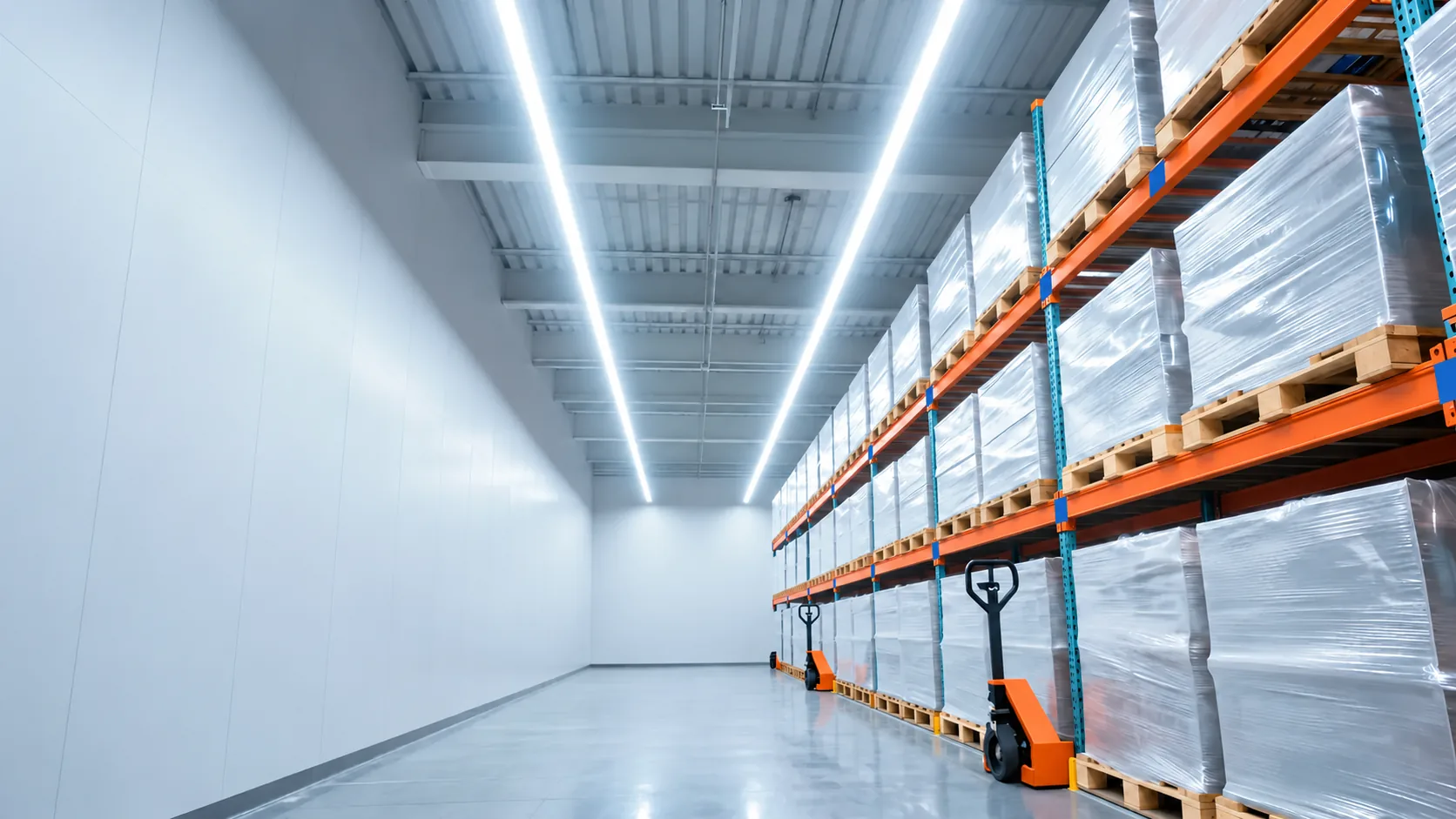
Industrial Lighting Costs
Efficient Lighting Design, Installation and Maintenance for Industry
Get a Free Quote From Us Today!
We aim to get back to you in 24 hours.
Industrial lighting costs depend on the type of building, the lighting system required and the complexity of the installation. Warehouses, factories and workshops all have different illumination requirements, so the right solution needs to consider how each space is used.
Whether you are installing a new lighting system or upgrading outdated fittings, modern LED technology can improve visibility, support workplace safety and reduce electricity consumption.
A standard industrial LED lighting installation can cost approximately £5–£10 per m², including lighting products and straightforward installation. For a 1,000 m² industrial premises, this would give an estimated project budget of £5,000–£10,000.
More complex installations involving high ceilings, specialist industrial luminaires, additional electrical work or bespoke lighting controls may cost considerably more.
Industrial Lighting Company provides tailored lighting solutions for commercial and industrial environments throughout the UK. Its services include lighting design, installation and maintenance, helping businesses select systems suited to their building layout and operational requirements.
Get a Free No Obligation Quotation Today
Average Industrial Lighting Costs
Industrial lighting projects are generally priced according to the size of the premises, the number of fittings required and the specifications of the lighting system.
The following figures provide an indicative guide to the cost of a straightforward LED industrial lighting installation.
| Project size | Estimated installation cost |
|---|---|
| 250 m² industrial space | £1,250–£2,500 |
| 500 m² industrial space | £2,500–£5,000 |
| 1,000 m² industrial space | £5,000–£10,000 |
| 2,000 m² industrial space | £10,000–£20,000 |
| 5,000 m² industrial space | £25,000–£50,000 |
Actual costs depend on the lighting specification, fitting quantities, installation conditions and additional electrical requirements. VAT and specialist equipment may be charged separately.
For example, a 1,000 m² warehouse with straightforward installation requirements could have an estimated budget of £5,000–£10,000. A larger factory with high mounting heights, complex machinery layouts and specialist lighting requirements may need a more detailed quotation.
The final price should be established following an assessment of the premises and a suitable lighting design.
What Affects the Cost of Industrial Lighting?
Every industrial lighting project is different. Several factors can influence the amount you need to budget.
Size and Layout of the Building
The dimensions and layout of your premises directly affect the number of lighting fittings required.
Large warehouses and factories generally need more fittings to achieve consistent illumination. However, the arrangement of machinery, storage racks, production lines and workstations also influences where lights should be positioned.
A well-planned lighting layout can help prevent dark areas and avoid purchasing unnecessary fittings.
Type of Industrial Lighting
The lighting products selected will have a significant impact on the overall price.
Common options include:
- LED High Bays: Designed for warehouses and industrial buildings with high ceilings, providing strong illumination across large areas.
- Industrial Luminaires: Durable fittings designed for demanding working environments, including areas exposed to dust, moisture and temperature changes.
- Warehouse Lighting: Lighting systems designed to provide consistent coverage across storage areas, aisles and distribution facilities.
- Factory Lights: Fittings selected for manufacturing environments where reliable illumination and accurate colour recognition are important.
LED products may have a higher initial purchase cost than some traditional alternatives, but their energy efficiency and longer operating life can provide better long-term value.
Mounting Height and Accessibility
The height at which lighting fittings need to be installed can increase project costs.
Industrial premises with high ceilings may require specialist equipment, including scissor lifts and access platforms. Additional time may also be needed to install and position fittings safely.
Restricted access, overhead equipment and busy production areas can make the work more complicated.
Required Illumination Levels
Different industrial activities require different lighting levels.
General storage areas may need less illumination than production lines, assembly areas or quality-control workstations.
Lighting design must consider the required lux levels, light distribution, glare control and colour rendering. These requirements influence the number, power and positioning of the fittings.
Industrial lighting schemes may also be designed around BS EN 12464-1 workplace lighting requirements.
Electrical Installation Requirements
The condition of your existing electrical infrastructure can affect the installation budget.
If existing wiring, circuits and mounting points can be reused, the project may be relatively straightforward. However, additional cabling, new circuits, electrical modifications or upgrades to distribution equipment can increase costs.
Replacing an existing lighting system is not always as simple as changing the fittings, so an assessment of the electrical installation is recommended.
Lighting Controls and Energy Management
Additional controls can increase the initial investment but may help reduce ongoing electricity costs.
Common options include:
- Motion and occupancy sensors.
- Daylight sensors.
- Automatic dimming systems.
- Programmable lighting schedules.
- Zoned lighting controls.
These systems can adjust illumination according to occupancy, natural daylight and operational schedules, helping prevent unnecessary energy consumption.
Maintenance Requirements
The expected maintenance requirements should also be considered when comparing lighting options.
Durable LED fittings can reduce the frequency of lamp replacements and associated labour costs. However, the operating environment, product quality and accessibility of fittings can influence long-term maintenance expenditure.
Request a free quote
How to Get Better Value from Industrial Lighting
Keeping installation costs under control does not mean choosing the cheapest available products. A suitable lighting design can help you achieve better performance without unnecessary expenditure.
Consider these practical steps:
- Arrange a lighting assessment: Establish the correct number and positioning of fittings before purchasing equipment.
- Choose efficient LED products: Compare energy consumption, lumen output and expected operating life.
- Consider the working environment: Select fittings with suitable IP ratings and construction for the conditions inside your premises.
- Install appropriate controls: Sensors and automated systems can reduce electricity usage in areas that are not continuously occupied.
- Plan installation work: Coordinating access and installation schedules can help reduce downtime and additional labour costs.
Considering the lifetime cost of a lighting system, rather than just its initial purchase price, can help you make a more informed investment.
Frequently Asked Questions
Is LED industrial lighting more expensive?
LED fittings can have a higher upfront purchase price than some traditional lighting options. However, they generally use less electricity and require fewer replacements, which can help reduce long-term operating costs.
How much does it cost to replace factory lighting with LED?
The cost depends on the number of existing fittings, the replacement products selected and whether electrical modifications are needed. A straightforward upgrade may fall within the indicative £5–£10 per m² budget, while more extensive installations require individual pricing.
Do industrial lighting installations require a lighting design?
A lighting design is recommended to determine suitable fitting positions, illumination levels and light distribution. It can also help identify opportunities to reduce unnecessary fittings and improve energy efficiency.
How long does an industrial lighting installation take?
Smaller projects, such as replacing existing LED fittings, may take one to two days. Larger installations can take up to two weeks, depending on the building size, access requirements and installation complexity.
Can industrial lighting reduce business energy costs?
Yes. Upgrading older lighting systems to efficient LED technology can reduce electricity consumption. Additional controls, such as occupancy and daylight sensors, can provide further savings depending on how the premises are used.
Request a Free Industrial Lighting Quote
Planning a new industrial lighting installation or considering an upgrade to your existing system? Industrial Lighting Company provides professional lighting design, installation and maintenance for warehouses, factories, workshops and other commercial premises throughout the UK.
Our team considers your building layout, mounting heights, illumination requirements and maintenance needs to help identify a suitable lighting solution.
Whether you need LED high bays, durable industrial luminaires or a complete lighting system, we can help you plan a solution around your operational requirements and budget.
Contact Industrial Lighting Company today to discuss your project and request a free, no-obligation quotation.
Get in touch with our team and aim to receive an initial response within 24 hours.
speak with our team today
What People are Saying About Us
★★★★★
“We needed better lighting across our storage aisles and high-ceiling areas. The proposed LED high bays gave us a practical option for improving visibility, while the design process considered our layout and daily warehouse activities.”
Emily Cartwright
London
★★★★★
“Our production floor required more consistent illumination for assembly and quality checks. The lighting recommendations helped us assess fitting types, colour rendering and placement to suit the different tasks carried out across the facility.”
Yasmin Morgan
London
★★★★★
“We were reviewing the lighting throughout an office and retail property. The advice on LED fittings and lighting controls helped us consider how to improve illumination while managing energy use in different areas.”
Abigail Sutton
London
★★★★★
“Good visibility is important for the detailed work we carry out. The lighting options helped us identify suitable fittings for our benches and general workshop areas, with maintenance requirements also considered during planning.”
Gareth Vaughan
London
Our Locations
We are proud to work nationally across the UK, allowing us to ensure we can provide services to you.
For a full list of counties we cover in the UK, see below.